

Dog bites happen, and when they do, Minnesota homeowners often wonder: will homeowners insurance cover dog bites? The answer isn’t always straightforward, and your coverage depends on several factors specific to your policy and situation.
At Variant Insurance Group, we’ve helped countless homeowners navigate these claims. Understanding what your policy covers-and what it doesn’t-can save you thousands in unexpected costs.
What Your Homeowners Policy Actually Covers for Dog Bites
Your homeowners insurance policy includes personal liability coverage, which protects you financially if someone suffers injury on your property or through your actions-and that includes dog bites. According to the Insurance Information Institute, dog bite liability claims cost U.S. homeowners insurers about $1.57 billion in 2024, with an average claim cost of $69,272. Most standard homeowners policies cover dog bite injuries up to your liability limit, typically between $100,000 and $300,000. This coverage pays for the injured person’s medical expenses, lost wages, pain and suffering, and legal fees if they sue. However, your coverage only applies up to your policy’s limit-anything beyond that becomes your personal responsibility. If a claim exceeds your $300,000 liability limit, you could owe tens of thousands of dollars out of pocket. This is why understanding your exact limits matters. Minnesota homeowners should review their policies carefully because coverage varies significantly between insurers and policies.
Your Liability Limits Fall Short of Rising Claim Costs
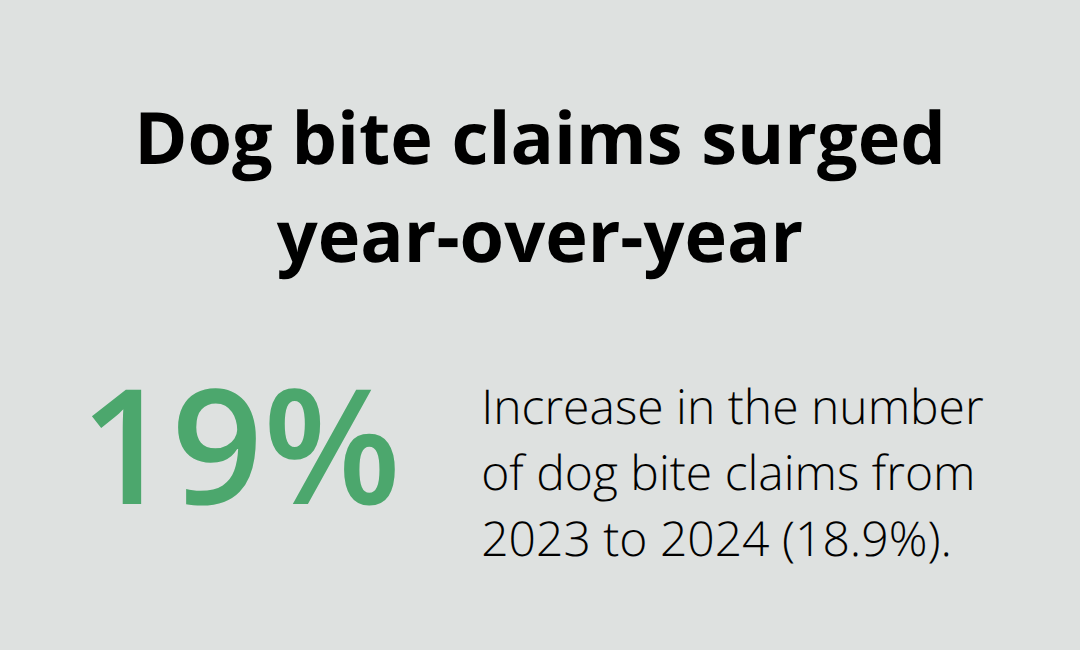
Dog bite claims are rising faster than most homeowners realize. From 2023 to 2024, the number of dog bite claims jumped 18.9 percent, and the average cost per claim climbed to nearly $70,000. Your standard homeowners policy liability limit may not be enough if a serious bite occurs. Many insurers won’t cover dog bites if certain conditions exist-some exclude specific breeds entirely, while others require prior training or muzzle requirements. A dog with a prior bite history makes obtaining or maintaining coverage significantly harder and often results in higher premiums or coverage denial.
Some insurers will only cover a dog if the owner completes training or keeps the dog restrained with a muzzle or secure fencing. If your dog has bitten someone before, your options narrow considerably, and you may need an umbrella liability policy for additional protection beyond your standard homeowners coverage.
How Insurers Process Dog Bite Claims
When a dog bite occurs, the claims process begins with your report to your insurance company. Your insurer will investigate the incident, review your policy terms, and assess liability based on the circumstances and any prior claims. They’ll examine whether the bite happened on your property, if your dog was restrained, and whether the injured party was trespassing or provoked the dog. Minnesota law holds dog owners liable for injuries in most situations, with some exceptions for provocation or trespassing. Documentation is critical-the insurer will want details about the incident, the injured person’s injuries, medical records, and witness statements. If your policy covers the claim, your insurer pays for medical expenses and legal costs up to your liability limit. The entire process typically takes weeks to months depending on claim complexity and whether litigation is involved. Having clear records of your dog’s vaccination history, training, and any prior behavioral incidents helps streamline the process and supports your coverage claim.
What happens next depends heavily on factors beyond your policy’s basic terms-your dog’s breed, your state’s regulations, and your claims history all play significant roles in whether you receive coverage and how much you’ll pay.
Factors That Affect Your Coverage
Breed Restrictions Shape Your Options
Breed restrictions and policy exclusions create the first barrier Minnesota homeowners encounter. Many insurers have moved away from breed-specific bans toward individual risk assessment, but some still maintain restrictions on pit bulls, rottweilers, and other breeds. Some insurers require owners to sign liability waivers or charge higher premiums for certain breeds, while others refuse coverage entirely. Pennsylvania and Michigan have laws prohibiting insurers from denying coverage based solely on breed, but Minnesota has no such protection-insurers here can still exclude or restrict coverage based on your dog’s type. The real issue isn’t the breed itself; it’s the insurer’s underwriting criteria. Some carriers will cover a dog only if the owner completes training or maintains the dog with a muzzle, chain, or secure fencing. Contact your insurer directly before purchasing a homeowners policy and ask whether they have breed exclusions or restrictions that apply to your dog. Don’t assume your current policy covers your dog if you haven’t verified this explicitly.
Prior Bite History Determines Your Future Coverage
A dog with one bite claim on record becomes significantly harder to insure. Prior bite history is the single biggest factor that determines whether you’ll keep your coverage and what you’ll pay for it. Insurers may raise your premiums substantially, refuse to renew your policy, or exclude your dog from coverage entirely. Contact your insurer immediately if your dog has a documented bite history rather than waiting for them to discover it during underwriting or a future claim. Some insurers will continue coverage if you take specific actions-completing a certified obedience training program, installing secure fencing, or using a muzzle in public-but these requirements vary widely. In Minnesota, state law holds dog owners liable for injuries in most situations, with limited exceptions for provocation or trespassing. This means your insurer has strong incentive to assess your dog’s risk carefully.
Additional Protection Beyond Standard Coverage
If you own a dog with prior incidents, an umbrella liability policy provides an extra $1 million in protection beyond your standard homeowners coverage. This additional layer typically costs $150 to $300 annually and creates a critical safety net. The financial exposure from a serious bite can exceed your standard homeowners liability limit, making umbrella coverage a practical investment for dog owners facing higher risk. Your insurer can help you evaluate whether umbrella coverage makes sense for your specific situation and dog’s history.
Understanding these coverage factors helps you navigate your policy, but the claims process itself requires specific actions to protect your interests.
Steps to Take After a Dog Bite Incident
Document Everything Immediately
The first hours after a dog bite incident determine how smoothly your insurance claim will proceed. Photograph the injured person’s wounds, the location where the bite occurred, and any visible injuries to the dog. Collect the names, phone numbers, and addresses of all witnesses present, including neighbors or passersby. Write down the exact date, time, and circumstances of the incident, including what the injured person was doing when bitten and whether your dog was restrained. Obtain the injured person’s contact information and their insurance details if applicable. If the bite occurred in a public space like a Minnesota park or on someone else’s property, photograph the location and note any hazards or conditions that contributed to the incident.
Medical records and insurance claim documentation matter enormously in claim processing. Encourage the injured person to seek immediate medical attention and obtain copies of all medical documentation, including emergency room reports, photographs of injuries, and treatment costs. The Insurance Information Institute reports that the average dog bite claim costs nearly $70,000, and detailed documentation directly supports your claim and helps your insurer process it faster. Do not admit fault or apologize for the bite in writing; statements made immediately after an incident can be used against you later. Instead, stick to factual observations about what happened.
Report the Claim Promptly to Your Insurer
Contact your insurance provider within 24 to 48 hours of the incident, not weeks later. Many policies require prompt notification, and delays can jeopardize coverage. Provide your insurer with the documentation you gathered: witness statements, photographs, medical records, and a detailed written account of the incident. Your insurer will assign a claims adjuster who will investigate further, contact the injured party, and determine whether your policy covers the claim under your liability limits.
Be honest about your dog’s history-if your dog has prior bite incidents, disclose them now rather than having your insurer discover them during investigation, which could result in claim denial. Ask your adjuster specifically what information they need and provide it promptly. If your dog has a documented bite history, your insurer may require proof of obedience training completion, veterinary records showing current vaccinations, or documentation of behavioral assessment before approving the claim.
Navigate the Claims Process Timeline
The claims process typically takes four to eight weeks for straightforward cases, though serious injuries or disputes can extend this timeline significantly. Your adjuster will keep you informed of progress and any additional documentation needed. If the claim exceeds your policy’s liability limit, your insurer will inform you of the overage amount you may owe. At this stage, consult with a personal liability attorney if the claim is substantial or if you face potential out-of-pocket costs beyond your coverage limits-legal representation protects your interests during settlement negotiations.
Final Thoughts
Dog bite coverage through homeowners insurance protects you financially, but only if you understand your policy limits, know Minnesota’s liability laws, and act before an incident occurs. The answer to “will homeowners insurance cover dog bites” depends entirely on your specific policy, your dog’s history, and the circumstances surrounding the incident-standard coverage typically ranges from $100,000 to $300,000 in liability protection, yet the average dog bite claim now costs nearly $70,000, meaning serious incidents can quickly exceed your limits. Review your current policy now, not after a bite happens, and contact your insurer to ask directly about breed restrictions, prior claim requirements, and whether your liability limits match your actual exposure.
Prevention reduces bite risk far more effectively than coverage alone. Obedience training, secure fencing, proper socialization, and careful supervision of your dog around visitors and children all lower the likelihood of an incident occurring. Keep vaccination records current and document your dog’s training progress-these records support your coverage claim if an incident does occur, and they demonstrate responsible ownership to your insurer.
We at Variant Insurance Group help Minnesota homeowners find policies that actually fit their needs and protect their families by shopping top-rated insurance companies to compare coverage options and pricing. Contact us to review your homeowners insurance and discuss whether your current liability limits and dog bite coverage align with your situation.